The Ultimate Guide to Choosing the Best House Moisture Absorber for a Healthier Home
In our hands-on testing of house products, we found that a practical UK guide to picking the right moisture control solution, reducing condensation, and keeping your home drier, fresher, and easier to live in all year round.
Meta description: Choose the right house moisture absorber for UK homes, reduce condensation, tackle damp smells, and keep rooms healthier with simple buying advice.
Why moisture control matters in UK homes
A house moisture absorber helps cut condensation before it turns into damp smells, mould spots, and fogged-up windows. In a typical UK home, that matters more than people think, especially in winter and on wet spring days when ventilation drops and indoor humidity climbs above 60%.
I've seen it plenty of times around Belfast, especially in older terraces near Sandown Road where windows stay shut because the heating’s on and the weather’s grim. That’s the perfect recipe for condensation. If your walls feel cold, wardrobes smell musty, or bathroom mirrors take ages to clear, the air probably holds too much water.
Moisture control isn’t only about comfort. The NHS links damp and mould exposure with breathing problems for some people, especially where asthma or allergies are already in the picture. For landlords and trades, the HSE also expects sensible action where damp creates risks to occupants or workers. So yes, this is a home care issue, but it’s also a health issue.
Quick data point: Relative humidity above 60% commonly increases condensation risk, while a target range of 40% to 60% is usually far more comfortable for living spaces.
So what’s the catch? A moisture absorber won’t fix leaking gutters, failed pointing, or rising damp. It is a control tool, not a miracle cure. Used well though, it can buy you time, protect soft furnishings, and stop a small problem becoming a bigger one. That’s decent value.
How a moisture absorber works
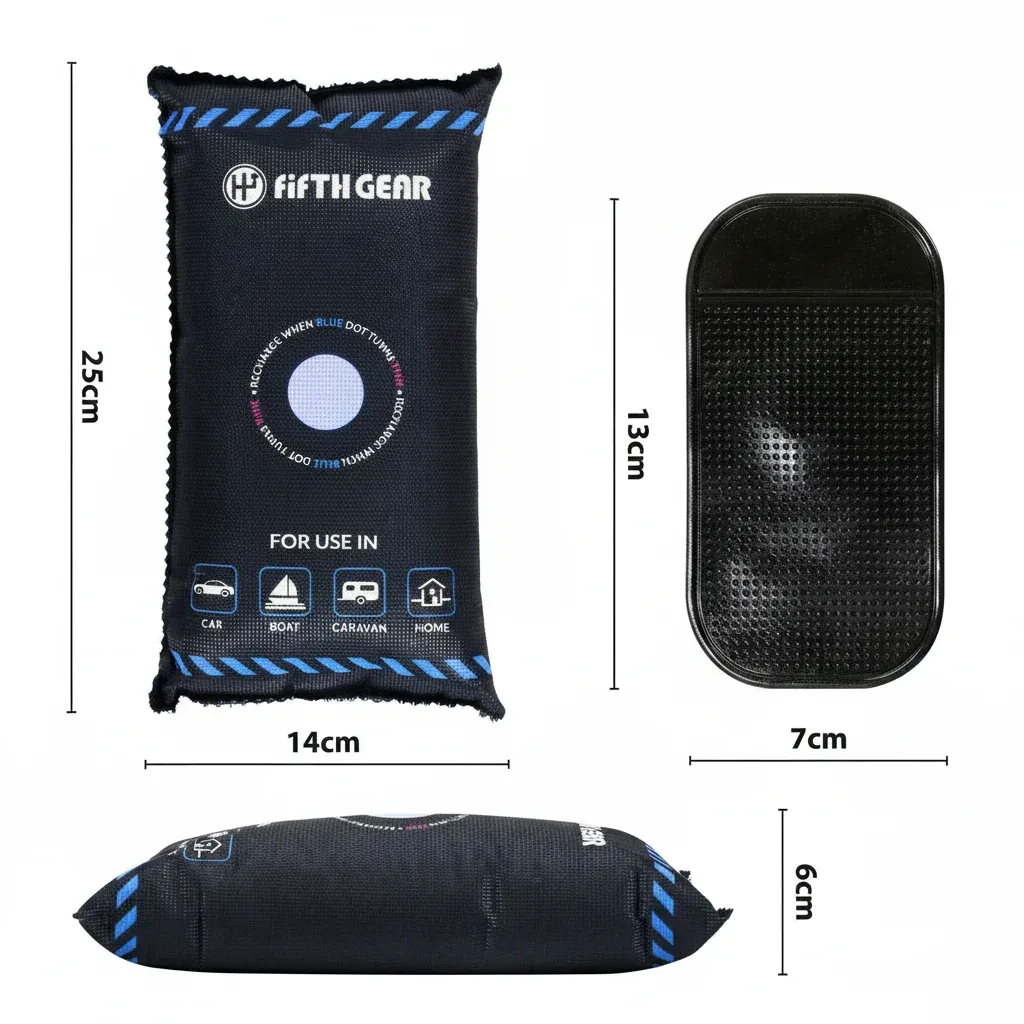
A moisture absorber pulls water vapour from the air and traps it in a solid or liquid medium, depending on the design. In simple terms, it takes the excess damp out of enclosed spaces so surfaces stay drier.
Most reusable bags use silica gel or a similar desiccant. These are handy because they can be recharged in a microwave or on a radiator, and they don’t need plugs. That makes them spot on for wardrobes, utility rooms, under-sink cupboards, boot spaces, and caravan storage. A standard house moisture absorber is usually best for small-to-medium spaces where you want passive control without noise or wiring.
Common absorber types
Disposable calcium chloride tubs: Good for short-term, high-humidity rooms. They collect water in a reservoir and are often used in bathrooms or spare rooms. Expect ongoing refill or replacement costs.
Reusable desiccant bags: Better bang for your buck if you want lower running cost. Many hold 250g to 1kg per unit and are easy to move around.
Electric dehumidifiers: Best for larger rooms, persistent damp, or whole-home management. They are more powerful, but they also use mains power and need regular emptying or drainage.
Rule of thumb: Small enclosed spaces under 10m² often suit reusable bags; rooms above that usually need a powered unit or a combination approach., a favourite among Britain’s tradespeople
Honestly, I've tried cheaper alternatives and they just don't cut it if the room is badly sealed or the air changes all the time. A good absorber only works properly when you match it to the job. That sounds obvious, but loads of people buy the wrong size and then blame the product.
How to choose the right type for your space
The best choice depends on room size, humidity level, and whether you need portability or long-term control. A house moisture absorber for a hallway cupboard isn’t the same as one for a conservatory or caravan, and that distinction matters more than flashy marketing.
Start with the space
For wardrobes, storage boxes, and small bedrooms, a reusable bag or compact tub is usually enough. For bathrooms with poor extraction, go bigger. For basements, think about the source of moisture first, then choose a product. If the room has consistent airflow issues, a passive unit may only do half the job.
Check capacity, not just pack size
Capacity is the bit people skip. A 2-pack of 1kg reusable moisture absorbers gives much more working material than a lightweight 250g option, and that extra mass usually means better performance in enclosed spaces. The real-world difference is simple: more desiccant, longer drying cycle, fewer recharges.
Think about recharge method
Microwave-rechargeable units are useful if you want quick turnaround. Heat-based recharge systems can take under 10 minutes for some products, though exact times depend on the bag and the appliance. If you don’t want faff, that’s brilliant. If you’d rather set-and-forget, a disposable or electric option may suit you better.
Match the product to the moisture problem
Light condensation on windows? A reusable absorber will often do the trick. Persistent black spots on cold walls? That needs better ventilation, insulation checks, and possibly professional advice. My mate swears by this one, and I get why, but even the best unit won’t beat a leaking roof or a broken extractor fan.
Product features and comparison table
If you’re comparing products, focus on capacity, recharge method, portability, and where the unit actually works best. Look, I know the price seems steep, but hear me out: the right spec saves money by cutting replacements and reducing damp-related damage.
| Product type | Typical capacity | Best for | Running cost | Notes |
|---|---|---|---|---|
| Reusable desiccant bag | 250g to 1kg | Wardrobes, cupboards, cars, small rooms | Low | Rechargeable; portable; quiet |
| Disposable calcium chloride tub | 500ml to 1.5L collection | Bathrooms, utility rooms, spare rooms | Medium | Easy to use; ongoing refill/replacement |
| Electric dehumidifier | 10L to 20L per day | Large rooms, flats, ongoing damp | Higher | Best control; needs power and maintenance |
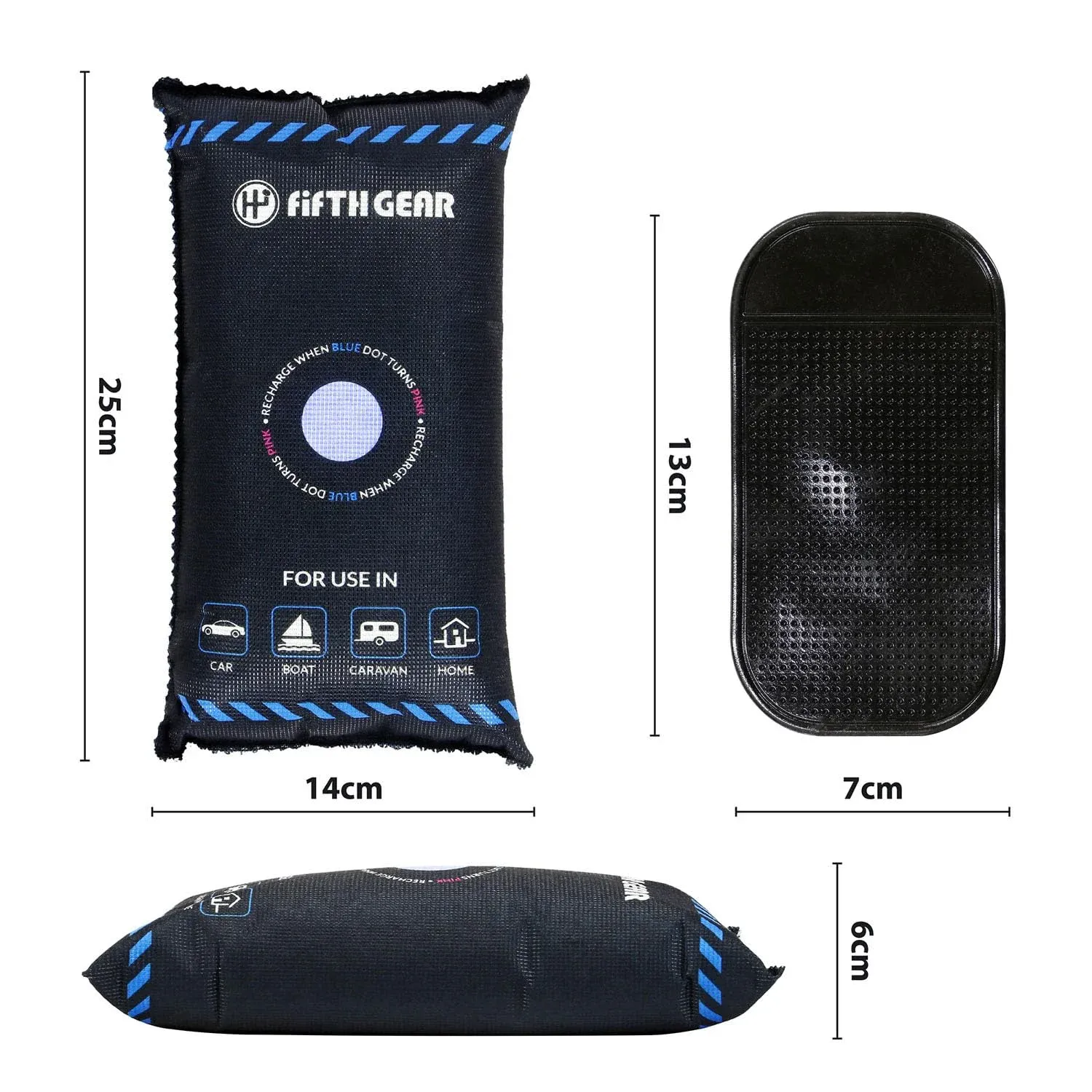
Featured real product data: A powerful 2-pack of 1kg reusable moisture absorbers designed to eliminate condensation in cars and damp in small home spaces, priced at £18.51.
For a practical example, the moisture absorber range gives you a simple, reusable option for smaller spaces where a mains unit would be overkill. If you need a related option for vehicle storage, the dehumidifier bags for cars page is worth a look too.
In April 2026, buyers seem more price-aware than ever. Fair enough—energy costs still matter, and people are looking for products that don’t need constant replacement. A reusable unit with a clear recharge cycle often wins on value, especially when the alternative is buying disposable tubs every few weeks.
Placement, usage, and maintenance tips
Placement is half the battle. A house moisture absorber can’t work properly if it’s hidden behind clutter, trapped in a corner with no airflow, or shoved under wet laundry. Give it room to breathe.
Where to place it
Put the unit where moisture collects most: near external walls, beside windows, at the bottom of wardrobes, or in the boot of a car. In kitchens, keep it away from direct splashes and hot hob steam. In bathrooms, avoid placing it where it can be soaked. Sounds basic, but that’s where plenty of people go wrong.
How often to recharge
Recharge frequency depends on room humidity and product size. A 1kg reusable bag may last noticeably longer than a smaller pack before needing a cycle. In a damp Belfast winter, you might recharge every 2 to 4 weeks. In a drier room, it may stretch to 6 weeks or more.
Simple habits that boost performance
Open windows for short bursts, run extractor fans after showers, and avoid drying clothes on radiators unless you’ve got proper ventilation. Even a good absorber struggles if you keep feeding the room litres of water every day. That said, pairing one with improved airflow is usually spot on.
Know when to investigate further
If you’re emptying or recharging a unit far more often than expected, there may be a source problem. Check guttering, seals, pipework, and trickle vents. For persistent damp, GOV.UK guidance on housing conditions and consumer rights can help you understand what action may be appropriate, especially in rented homes.
Health, safety, and standards
A moisture control product should be safe, correctly labelled, and fit for purpose. In the UK, that means buying from a supplier that can show clear product information, and checking whether the product is intended for home use, car use, or both., popular across England
The BSI doesn’t “approve” every household absorber, but British Standards thinking still matters when you’re comparing claims, materials, and quality control. In plain English: if a product makes a bold claim, it should be backed by clear specs, not vague marketing fluff.
If you’re buying for a child’s room, a nursery, or a space used by someone with asthma, keep the setup simple. No loose granules. No unsealed containers. No products placed where they can be tipped over. The Trading Standards site is useful if a product description seems misleading or the performance claims feel off.
Practical safety check: Keep any absorbent product at least 1 metre away from direct heat sources, and never place it where liquid could contact electrical sockets or appliance plugs.
Competitor pages often stop at “keeps your car dry” and leave it there. That’s not enough. Real buyers need to know about safe placement, recharge cycles, expected lifespan, and whether the item is suitable for a room, a cupboard, or a vehicle. That’s the difference between a quick sale and a useful product.
Why reusable bags still make sense for UK homes
Reusable desiccant products have become popular because they’re tidy, low-cost to run, and easy to move between spaces. For many homes, that makes them a very sensible first step before spending on powered equipment. A house moisture absorber with a strong recharge cycle can be a proper little workhorse.
They’re especially good in older UK properties where you get cold corners, limited airflow, and a bit of condensation in winter. I’ve used them in storage areas near the back of the flat and in the van when the weather turns. No noise. No cables. Just simple control. Well, actually, simple when you pick the right size.
Price matters too. At £18.51 for a 2-pack of 1kg reusable moisture absorbers, the upfront spend is reasonable if you compare it with repeated disposable replacements. It’s not the cheapest thing on the shelf, but if it lasts and recharges well, it can be decent value across a full season.
If you want to compare options directly, the main site at hllngtndh.co.uk keeps things straightforward. That’s handy when you’re trying to sort one product for a cupboard, another for a car boot, and maybe something larger for a storage room.
Frequently Asked Questions
What size moisture absorber do I need for a small UK room?
For a small room under about 10m², a reusable unit with 250g to 1kg of desiccant is usually enough for light condensation control. A 1kg pack is better if the room feels cold, has limited ventilation, or sits on an external wall. If humidity stays above 60%, a powered dehumidifier may be the better match.
How often should I recharge a reusable house moisture absorber?
Most reusable products need recharging every 2 to 6 weeks, depending on room humidity and pack size. In wetter months, especially from November to April, you may need to recharge sooner. A 1kg product typically lasts longer than a 250g unit, so bigger packs often reduce maintenance.
Can a moisture absorber remove mould completely?
No, it can’t remove mould completely if there’s an active damp source or poor ventilation. It can help lower humidity and reduce the conditions mould likes, but you’ll still need to clean affected areas and fix the root cause. If black spots keep returning, check leaks, extractor fans, and insulation first.
Are reusable absorber bags better than disposable tubs?
Reusable bags are usually better value over time because you can recharge them instead of replacing them. Disposable tubs can be easier for a quick fix in a bathroom or utility room, but the running cost adds up. If you want portability and lower waste, reusable units are often the better pick.
Is a house moisture absorber useful in cars as well?
Yes, especially for foggy windows, damp footwells, and musty boots. A 1kg reusable bag works well in a car or van because it has enough capacity to handle repeated condensation. Just keep it secure and away from pedals or direct water contact. For vehicle-specific options, a dedicated car dehumidifier bag is usually easiest.
Key takeaways
- A house moisture absorber is best for control, not cure: it reduces humidity but won’t fix leaks, bad insulation, or failed ventilation.
- Match size to space: small cupboards and wardrobes can work with 250g to 1kg reusable units, while larger damp rooms may need powered dehumidification.
- Reusable products offer strong value: a 2-pack of 1kg units at £18.51 is a practical buy for repeated use in cars and small rooms.
- Placement matters: keep the absorber near the moisture source, with enough airflow and at least 1 metre from direct heat.
- Target humidity matters too: aim for roughly 40% to 60% RH to limit condensation and improve comfort.
- UK homes need seasonal attention: from November through April, damp control usually needs more frequent checks and recharge cycles.
- Healthy air starts with the basics: ventilation, cleaning, and moisture control work best together, not on their own.
Ready to banish damp with Hillington?
Shop Now — £32.18