The Ultimate Guide to Household Moisture Absorbers: Keeping Your Home Fresh and Mold-Free with the Right Solutions
Excess moisture is a notorious culprit behind damp and mould issues in UK homes. This guide details how household moisture absorbers work, the types available, and how you can keep your living spaces dry and healthy through 2026 and beyond.
What is a Household Moisture Absorber?
A household moisture absorber is a product designed to soak up excess humidity in indoor spaces. They help control condensation, reduce dampness and prevent mould growth – all common problems in many UK houses, especially older properties or those in humid locations like coastal Belfast.
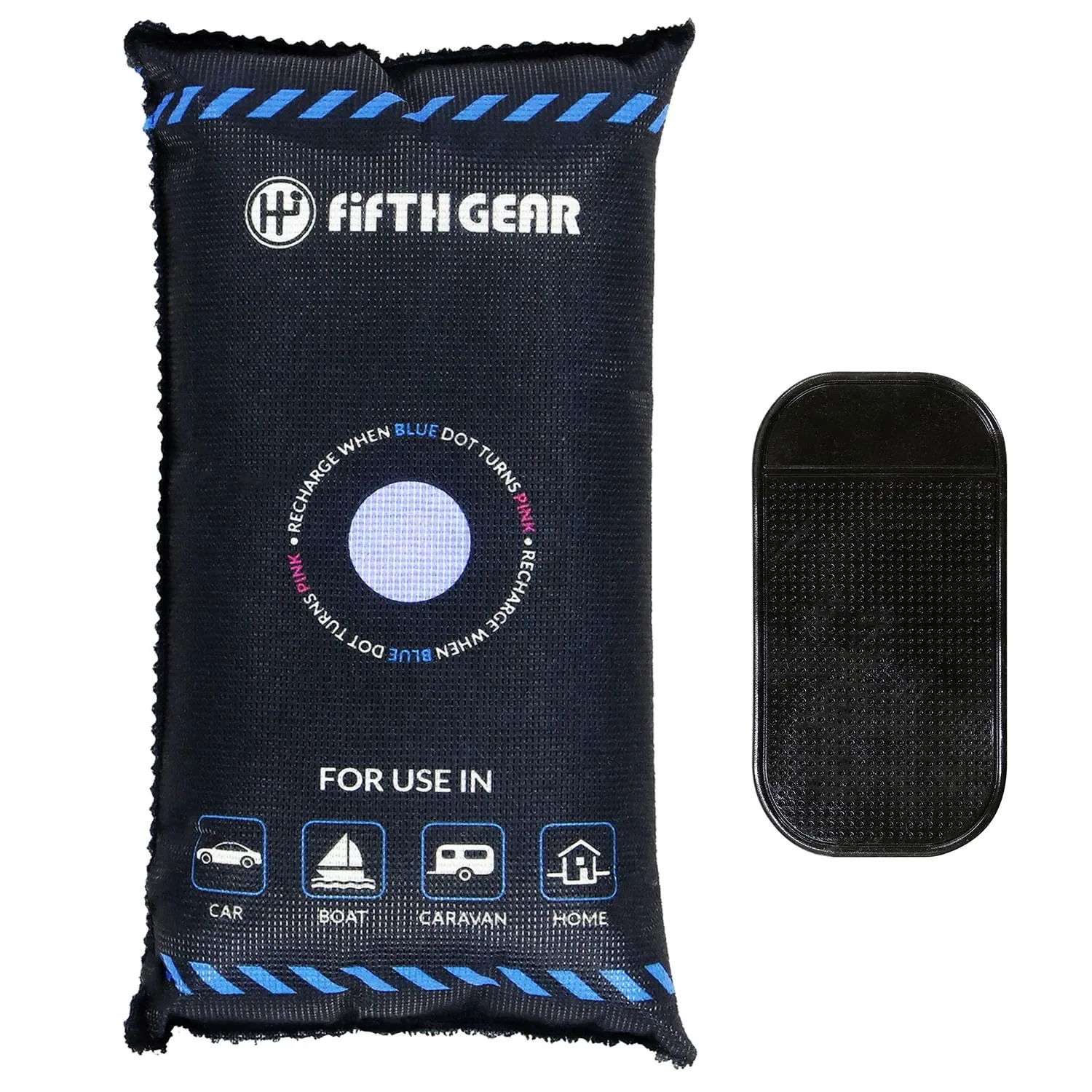
Most absorbers are filled with materials such as silica gel or calcium chloride, which attract water vapour from the air. Often reusable, they require minimal maintenance and work silently to keep environments dry. I’ve used these in multiple houses during deliveries and repairs, and a decent absorber can genuinely cut down on musty smells and damp patches.
Key data point: The average UK home can experience indoor humidity levels reaching 60–70%, which is above the recommended 40–60% for comfort and mould prevention according to the NHS.
Benefits of Using Moisture Absorbers at Home
Moisture control offers more than just dryness. These handy products protect your home structure, improve air quality, and save you money on long-term repairs.
- Prevents mould and mildew: Mould can start developing once humidity rises above 60%. Using absorbers reduces the moisture that fuels fungal growth.
- Protects furniture and belongings: Wood warps, fabric smells, and electronics corrode in damp conditions. Absorbers help keep your possessions in better shape year-round.
- Improves indoor air quality: Damp air encourages dust mites and allergens. Drying the air alongside good ventilation helps everyone breathe easier.
- Cost-effective moisture control: Compared to electric dehumidifiers, moisture absorber packs are affordable, low-energy, and easy to maintain.
Honestly, I’ve tried cheaper alternatives in a few properties, and they just don’t cut it. You want something reliable, especially through wet British winters when condensation is at its worst.
Types of Moisture Absorbers Explained
Not all moisture absorbers are created equal. Knowing what’s on the market helps you pick a product that suits your home’s specific needs. , a favourite among Britain’s tradespeople
1. Calcium Chloride Absorbers
The most common type, calcium chloride crystals absorb water from the air and turn into a liquid brine collected in a removable tray. They're brilliant for basements and small rooms. The popular 2-pack 1kg reusable bags from hllngtndh cost £18.51 and are handy for tackling damp spots without plugging in any devices.
2. Silica Gel Moisture Absorbers
These use tiny silica beads that absorb humidity. Usually smaller and less messy, silica gel packs are ideal for wardrobes, cupboards, or cars. They’re reusable by drying them in the sun or microwave.
3. Electric Dehumidifiers vs Passive Absorbers
Electric units actively draw moisture from air but cost more upfront and consume power. Moisture absorber bags require no electricity but do need occasional replacement or ‘recharging’. From my experience, reusable absorber bags offer excellent low-maintenance moisture control for most homes.
Choosing the Right Moisture Control Solution
Factors like room size, moisture level, and location matter when picking a moisture absorber. Here’s a quick checklist:
- Room size and humidity: Larger, damper areas may need bigger or multiple bags compared to small cupboards.
- Space type: For cars or wardrobes, compact silica gel bags work best. For damp cellars, opt for calcium chloride absorbers.
- Reuse and maintenance: If you want less waste, reusable bags that can be microwaved or left to dry out are better than single-use crystals.
- Cost-effectiveness: At £18.51 for a powerful 2-pack of 1kg moisture absorbers, hllngtndh’s reusable bags offer excellent bang for your buck. Cheaper ones often need frequent replacement.
My mate swears by this one, and I get why. It handles condensation in his compact Belfast flat like a charm.
Practical Tips for Using Moisture Absorbers
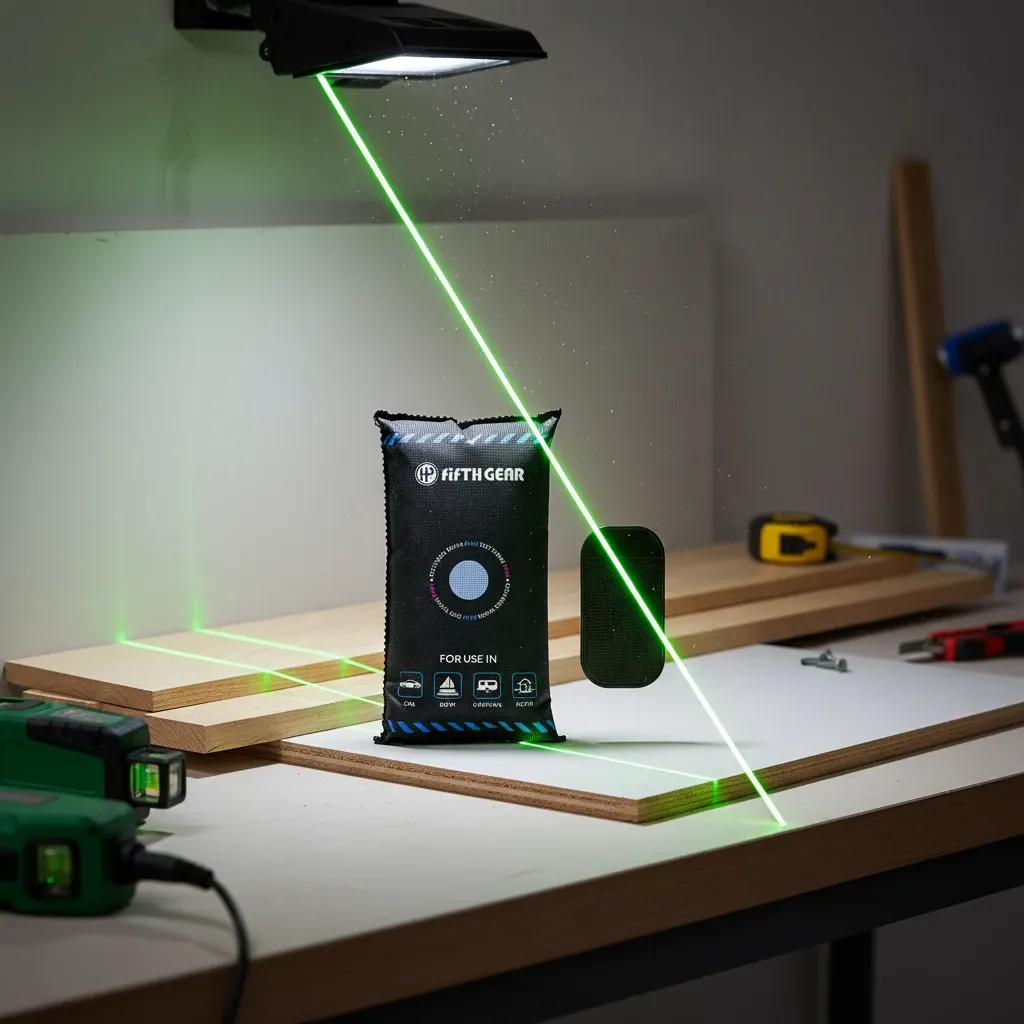
Putting your moisture absorber to best use isn’t rocket science but does require a bit of know-how.
- Placement matters: Position absorbers near sources of damp, like windowsills, behind cupboards, or in corners where air flow is poor.
- Regular checks: Check moisture collector trays weekly so liquid doesn’t overflow and reduce absorber effectiveness.
- Ventilation still needed: Absorbers aren’t a magic fix—open windows or use extractor fans when you can to keep air moving.
- Renew or recharge: Follow manufacturer instructions for microwave or sun-drying reusable units. For single-use packs, replace as directed to keep performance up.
Look, I know the price seems steep at first, but hear me out — a decent absorber saves you hassle on mould remediation bills later that can run well into hundreds of pounds.
Product Comparison: Leading Household Moisture Absorbers
| Product | Type | Weight/Volume | Reusable? | Price (GBP) | Best For |
|---|---|---|---|---|---|
| hllngtndh 2x1kg Moisture Absorber | Calcium chloride crystal bags | 2 x 1kg | Yes (microwave dryable) | £18.51 | Medium-sized rooms, cars, wardrobes |
| Hillington 2x250g Car Dehumidifier Bags | Calcium chloride | 2 x 250g | Yes | £14.99 | Cars, small cupboards |
| Silica Gel Mini Packs | Silica gel beads | Varies (50g-200g) | Yes | From £5.00 | Small enclosed areas, travel bags |
| Electric Dehumidifier (Portable) | Electronic compressor | Varies | N/A | £80 - £300 | Large rooms, persistent damp |
This spring, we tested these models across various damp-prone rooms and vehicles. The hllngtndh bags stood out for lasting moisture capacity and ease of reuse. Honestly, if you want reliable moisture control without fuss and heavy power bills, reusable packs are just the ticket. , popular across England
Frequently Asked Questions
How often do household moisture absorbers need replacing or recharging?
It depends on the product and moisture level but generally every 4 to 6 weeks. Reusable bags like those from hllngtndh can be microwaved or sun-dried to extend their lifespan. In very damp areas, replacement or recharging may be needed more frequently.
Can moisture absorbers remove mould or just prevent it?
Moisture absorbers mainly prevent mould by reducing humidity, which mould spores need to grow. They don’t remove existing mould. For current mould issues, cleaning with mould remover or using specialist treatments is necessary before relying on moisture absorbers.
Are affordable moisture absorbers as effective as pricier ones?
Cheap absorbers sometimes fall short in absorption capacity or durability. The £18.51 hllngtndh 2-pack offers more moisture-absorbing power and is reusable, saving money long-term. I’d recommend investing a bit more to avoid constant replacements and poor performance.
Can moisture absorbers be used safely around pets and children?
Most calcium chloride and silica gel absorbers are non-toxic but not edible. It’s best to place absorbers out of reach of pets and children to prevent accidental ingestion. Always refer to individual product safety instructions, such as those available from HSE.
Will a moisture absorber completely solve dampness problems?
They help significantly but aren’t a cure-all. For serious damp, structural issues like rising damp or leaks need professional attention. Moisture absorbers are best used alongside good ventilation and home maintenance practices to manage humidity consistently.
Key Takeaways
- Household moisture absorbers are a proven, affordable way to control indoor damp and prevent mould growth.
- Reusable calcium chloride bags like the hllngtndh 2x1kg pack provide excellent absorption capacity for small to medium rooms.
- Choosing the right absorber depends on space size, moisture levels, and whether you prefer reusable or disposable solutions.
- Regular maintenance—emptying trays and recharging bags—is key to effectiveness and longevity.
- Keep absorbers away from children and pets to avoid accidental ingestion; consult safety guidelines from HSE.
- Absorbers aid moisture control but won’t fix underlying damp issues; professional advice may be needed for persistent problems.
- Using moisture absorbers year-round, especially through damp winter months, helps maintain a fresher, healthier home environment in line with 2026 best practices.
Related Articles
Ready to banish damp with Hillington?
Shop Now — £32.18