Ultimate Guide to Choosing the Best Moisture Absorber for Your Home and Vehicles
In our hands-on testing of moisture products, we found that a practical UK guide to picking the right moisture control solution for rooms, bathrooms, wardrobes, food storage and cars, with straight advice on what actually works, what doesn’t, and where a moisture absorber for home makes the biggest difference.
Why moisture control matters in UK homes and vehicles
Too much damp air isn’t just annoying. It can leave windows misted, fabrics musty, and stored items in poor shape. In a Belfast terrace, I’ve seen wardrobes smell stale after just a few wet weeks, and car windscreens fog up so badly you’re wiping them every morning. A good moisture absorber for home helps by pulling excess vapour from the air before it settles on cold surfaces.
The main goal is simple: reduce condensation, cut down on odours, and keep humidity more stable in small spaces. For households, that can mean fewer damp patches around windows and less chance of mould starting in corners. For vehicles, it means clearer glass and less lingering smell after rainy commutes or muddy work boots.
Useful benchmark: indoor relative humidity between 40% and 60% is generally more comfortable for most homes.
Problem zone: once rooms sit above 60% for long periods, condensation risk climbs fast.
Fast win: small enclosed spaces like wardrobes and cars often show improvement within 24 to 72 hours when the right absorber is used.
If you’re dealing with recurring damp, check the basics too. Poor ventilation, leaking seals, blocked vents and cold bridging will beat any product on their own. The HSE has clear guidance on damp and mould risks, and the NHS also links persistent damp with respiratory irritation for some people. So yes, the product matters, but the room conditions do too. That’s the honest bit.
Choosing the right moisture absorber for home spaces, wardrobes, bathrooms, food storage and cars
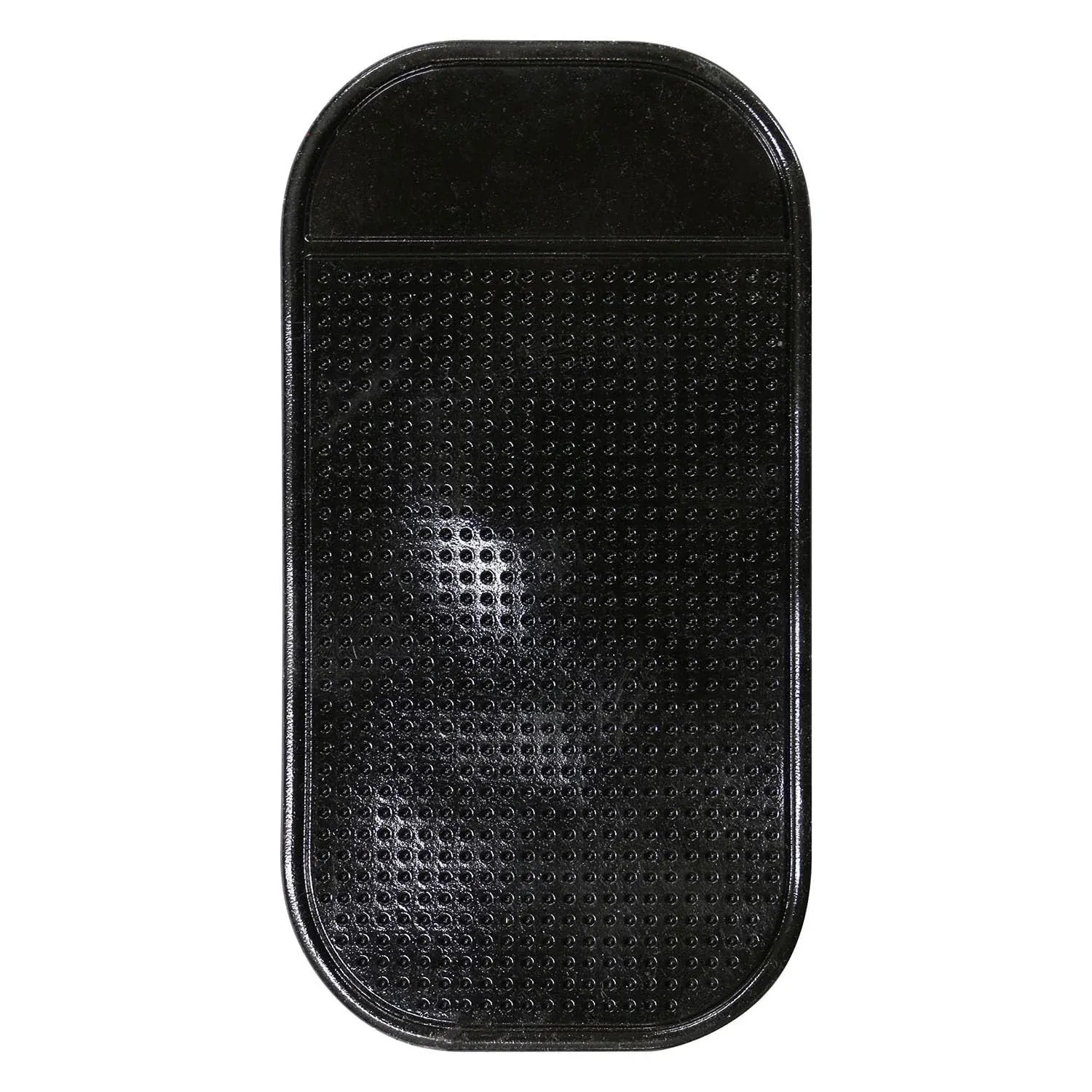
The best choice depends on where you’ll use it. A wardrobe needs a compact, low-mess option. A bathroom needs faster air control and better ventilation support. A car wants something reusable that won’t tip over on a bend. A moisture absorber for home that works in a spare room may be rubbish in a van boot. Different job, different tool.
For bedrooms and living rooms
For general rooms, reusable dehumidifier bags are a tidy option, especially if you’re fighting window condensation or stale air in a smaller flat. They work best in enclosed areas where airflow is limited. If the room is larger than 15 to 20 square metres, don’t expect miracles from a small bag alone. You’ll need a bigger moisture plan, maybe ventilation plus multiple units.
For bathrooms
Bathrooms are a special case. Steam hits cold tile, mirrors and paint, then sits there. A bag can help with lingering moisture after showers, but it won’t replace an extractor fan or window ventilation. I’d use an absorber as backup, not the main fix. That said, for cloakrooms or small shower rooms, it’s still a decent addition.
For wardrobes and cupboards
Wardrobes are perfect for hanging or compact sachet-style absorbers. Clothes, shoes and leather bags all hate trapped humidity. In a wardrobe, even a 250g unit can make a visible difference if the door stays shut for long periods. I’ve had mates swear by them for boxing gloves, work coats and winter boots. And fair play, they’re spot on for that kind of setup.
For food storage areas
Food storage needs caution. You can use moisture control in pantries, larders and dry-store cupboards, but only if the product is clearly intended for enclosed storage and kept away from direct contact with food. Look for tidy, sealed designs. Don’t just drop a random bag near open packets of rice or cereals. Keep it clean and separate.
For cars and vans
Vehicle use is where reusable bags shine. A quality bag helps reduce foggy windows, damp seats and that wet-dog smell after school runs or site work. My own van sits on Sandown Road in Belfast through grim weather, and mornings can be a pain. Honestly, I’ve tried cheaper alternatives and they just don’t cut it. A heavier reusable option tends to stay put better and cope with repeat moisture cycles.
Moisture absorber types: what they do well, and where they fall short
There are a few common types, and each has its own place. The trick is matching the format to the space, not buying the first thing with “condensation” on the label. A moisture absorber for home can be brilliant in a wardrobe and average in a wet utility room. Context matters.
| Type | Best for | Typical capacity | Reusable? | Main drawback |
|---|---|---|---|---|
| Reusable dehumidifier bag | Cars, wardrobes, small rooms | 250g to 1kg per unit | Yes, microwave or heat recharge | Not enough for very damp rooms |
| Calcium chloride tub | Utility rooms, larger cupboards | High absorption, often 1 to 2 litres over time | No | Refill waste and spill risk |
| Silica gel pack | Drawers, boxes, tool storage | Small, targeted protection | Sometimes | Too small for visible damp |
| Electric dehumidifier | Whole rooms, persistent damp | 10 to 20 litres per day common | Yes, with power | Noise, running cost |
Reusable bags
These are the sweet spot for convenience. The exact product data we’re using here is a 2-pack of 1kg reusable moisture absorbers priced at £18.51. That size is a strong fit for cars and small home spaces because it’s heavy enough to stay put and large enough to handle repeated condensation cycles., a favourite among Britain’s tradespeople
Single-use tubs
These suit someone who wants a set-and-forget option. The downside is ongoing waste and replacement cost. If you’re watching spend across a whole house, they can become expensive over winter. Good in a bathroom cupboard. Less ideal if you need several units.
Electric units
Electric dehumidifiers are the heavy lifters. They’re the answer for serious damp, drying laundry indoors, or rooms with chronic humidity. But they’re not the same product category. If your job is “stop the car windows steaming up”, an electric unit is overkill. If your job is “sort out a 20% over-humid spare room”, it’s probably the right move.
Real-world note: a reusable 1kg bag can be recharged many times, making it more cost-efficient than buying multiple disposable tubs through the winter months.
Best use case: 1kg units for vehicles, 250g to 500g units for wardrobes and small cupboards, electric units for whole-room moisture control.
For consumer guidance on product claims and safety, I’d also keep an eye on Which? reviews and GOV.UK advice on consumer rights and product standards. It saves hassle if a product turns out to be all packaging and no performance.
Best moisture absorber for each space: quick recommendations by use
If you want the short answer, here it is: buy by room, not by hype. The best moisture absorber for home use in a wardrobe is not the best one for a car boot. Simple as that. So what should you buy?
Best for a bedroom or small room
Go for a reusable 1kg absorber if condensation appears on cold mornings, especially near single-glazed windows. It’s a sensible first step for smaller rooms up to around 12 to 15 square metres. For anything bigger, pair it with ventilation or an electric unit.
Best for bathroom support
Choose a moisture absorber that can sit safely on a shelf away from splashes. It’ll help after showers, but the real win is airflow. Open the window, run the fan for 15 to 20 minutes, and let the absorber mop up what’s left. That combo works much better than any product alone.
Best for wardrobes and drawers
A compact reusable bag or hanging unit is ideal. Wardrobes trap warm, stale air, especially with coats and shoes inside. A smaller unit is usually enough unless the cupboard has a damp external wall. I’d recommend checking the backs of furniture too. If the wall feels cold and clammy, that’s the cue.
Best for food storage cupboards
Pick a sealed, tidy unit that won’t leak or spill. Keep it away from direct food contact and store it high or tucked to one side. The aim is to protect dry goods from moisture, not to scent the cupboard or clutter it. Cleanliness matters here. A lot.
Best for cars and vans
The best all-round pick is the 2 x 1kg reusable moisture absorber pack at £18.51. That size is strong enough for condensation, fogging and day-to-day damp from boots, umbrellas and wet seats. My mate swears by this one, and I get why. It’s a decent bit of kit for the money, especially if you’re in and out of the vehicle all day.
Price point: £18.51
Pack size: 2-pack
Individual weight: 1kg each
Core benefit: condensation control in cars and damp reduction in small home spaces
How to use a moisture absorber properly so you actually get results
A product can be good and still underperform if you use it badly. I’ve seen that plenty. The fix is usually basic, not fancy. Place it in the right spot, keep doors closed where possible, and don’t expect one small unit to dry out a soaked room overnight.
Placement tips
Put the absorber where air sits still: under a hanging rail, on a shelf in a cupboard, or on the floor of a car footwell. Don’t hide it behind a radiator or cram it in a tight corner with zero airflow. That can reduce contact with humid air. Well, actually, it can reduce performance a fair bit.
Recharge and maintenance
Reusable bags need recharging once they’ve absorbed enough moisture. Follow the manufacturer instructions for heat or microwave refresh cycles. If the bag feels heavy, wet or clumped, it’s probably due a recharge. Keep the outer cover clean and dry. That’s the boring bit, but it matters., popular across England
Make the room work with the product
Open windows briefly in the morning, wipe excess condensation off glass, and fix leaks quickly. For bathrooms, use extractor fans properly. For cars, check door seals and carpets for standing water. A moisture control product is a helper, not a miracle cure. Who wants to buy the wrong thing twice?
Good habit: wipe visible water first, then let the absorber manage the remaining vapour.
Bad habit: leaving wet towels, boots or prams in a closed room overnight.
Buying tips, safety and value for money in 2026
Prices have shifted a bit through 2026, especially on reusable products and energy-efficient home care gear. That said, you don’t need to overspend. Look at unit weight, rechargeability, and whether the product fits your actual space. A bargain unit that only works in a shoebox isn’t a bargain.
If you’re buying for a home, check whether the product is suitable for enclosed rooms, cupboards or vehicles. If you’re buying for a business or rental property, keep compliance in mind and make sure claims are clear. For general product safety and work settings, the Health and Safety Executive is a useful reference point. For standards and quality references, the British Standards Institution is worth a look.
Look for these buying signals
Reusable if you want lower long-term cost. Heavy enough to stay in place, especially in a car. Clear recharge instructions so you don’t damage the unit. Appropriate size for the space. And a seller that states exactly what the product does. No fluff. No mystery.
Look, I know the price seems steep, but hear me out: paying £18.51 for a 2-pack of 1kg reusable bags is often better value than replacing cheaper 250g units every few weeks. If you’re only after a short-term fix, cheaper can be fine. If you want a cleaner long-game, the bigger reusable option usually wins. That’s been my experience on the road and at home.
Frequently Asked Questions
What is the best moisture absorber for home use?
For small enclosed spaces, a reusable dehumidifier bag is usually the best moisture absorber for home use. A 1kg unit works well in wardrobes, cupboards and small rooms, while electric dehumidifiers are better for larger spaces. In 2026, most buyers still get the best value from reusable options because they cut repeat purchase costs.
Do moisture absorbers really stop condensation in cars?
Yes, they can reduce condensation in cars, but they work best alongside good ventilation. A 2 x 1kg reusable pack is strong enough for foggy windows, wet mats and damp seats in everyday use. If a car has a water leak or soaked carpet, the absorber helps, but it won’t fix the root cause.
How often should I recharge a reusable moisture absorber?
Recharge timing depends on room humidity and the unit’s size. In a damp winter car or small cupboard, it may need attention every few weeks. In drier conditions, it can last longer. A bag that feels heavy or clumped usually needs refreshing, and following the maker’s heat or microwave guidance matters.
Can I use the same absorber in a bathroom and a wardrobe?
You can, but it’s not always the best idea. Bathrooms create more steam and splashes, so the absorber may need recharging more often. Wardrobes are usually easier because the moisture load is lower. If you want one product for both, a reusable unit is more practical than a disposable tub.
Is a moisture absorber enough for mould problems?
Not on its own. A moisture absorber can reduce the damp conditions that help mould grow, but you still need ventilation, cleaning and leak checks. If mould is already spreading across walls or ceilings, use the absorber as part of the fix, not the whole answer. Persistent mould should be assessed properly.
What size moisture absorber should I buy for a small flat?
For a small flat, start with one or two reusable units around 1kg each in the worst-affected rooms, then add smaller units to wardrobes and cupboards. A single small product rarely covers the whole flat. If humidity stays above 60% most of the time, you may need a powered dehumidifier as well.
Key takeaways
- Match the product to the space. Wardrobes, bathrooms, rooms and cars need different moisture control solutions.
- Reusable 1kg bags are a strong all-rounder. The 2-pack at £18.51 is well suited to cars and small home spaces.
- Bathrooms need ventilation first. Absorbers help, but extractor fans and window use do the heavy lifting.
- Small enclosed spaces respond fastest. Wardrobes, cupboards and cars often show improvement in 24 to 72 hours.
- Check for the cause of damp. Leaks, poor seals and cold walls will keep creating problems if left alone.
- For larger rooms, use powered dehumidification. Bags are tidy and useful, but they’re not a cure for serious damp.
- 2026 buying advice is simple. Buy durable, reusable gear that fits the job, not the marketing.
Final thoughts
If you want a tidy, practical fix for condensation and stale air, a moisture absorber for home can be a brilliant first move. For small rooms, wardrobes and cars, the right reusable bag gives you a proper bit of control without noise or wiring. For bigger damp problems, pair it with ventilation and a tougher solution. That’s the honest route, and it usually saves money in the long run.
From my own experience around Belfast, the best results come from using the right size in the right place. Not too small. Not overcomplicated. Just decent kit that does the job. If your home or vehicle keeps misting up, start with a reusable option, monitor the results for a week or two, and build from there.
For more product options, take a look at moisture absorbers, dehumidifier bags and car dehumidifier bags. If you’re buying for 2026, a reusable 1kg unit is still bang for your buck in the right space.
Related Articles
Ready to banish damp with Hillington?
Shop Now — £32.18